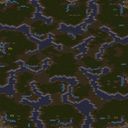
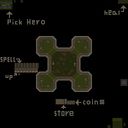
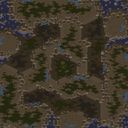
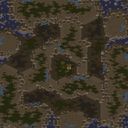
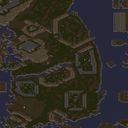
이 맵은 반지의 제왕 곤도르 공성전을 배경으로 한 협동 생존형 유즈맵이다. 일곱 명의 플레이어가 랜덤으로 배정된 영웅을 조종하며 끊임없이 밀려오는 적을 막아내고, 최종 목표 지점까지 탈출하는 흐름으로 전개된다. 초반에는 성벽과 좁은 통로를 활용해 방어선을 구축하고 후반으로 갈수록 공세가 거세져 지속적인 이동과 재정비가 강제된다. 맵 구조는 크게 세 구역으로 나뉜다. 시작 지점인 성채는 좁은 입구와 언덕 지형을 갖춰 초반 방어에 유리하지만, 내부 공간이 협소해 전투가 길어지면 순식간에 포위된다. 중앙의 파괴된 도시 지대는 잔해와 좁은 골목으로 이루어져 있고 시야가 자주 차단되며, 기동성이 낮은 영웅은 고립되기 쉽다. 후반부로 향하는 협곡과 다리 구간은 전형적인 보틀넥 구조로, 후퇴를 엄호하거나 전방을 고속으로 돌파할 영웅의 역할 분담이 뚜렷하게 드러난다. 타일셋은 황무지지만 건물과 유닛 배치 덕분에 폐허가 된 성곽 도시의 분위기를 어느 정도 재현했고, 시각적인 혼잡함이 오히려 긴장감을 높인다. 진행 방식은 단순한 웨이브 디펜스가 아니라 단계별 후퇴와 구조물 활용이 핵심이다. 첫 방어선이 뚫리면 살아남은 인원이 후방으로 물러나 새 거점을 잡아야 하며, 이 과정에서 체력과 마나 관리, 부활 쿨타임이 승패를 가른다. 영웅 조합은 매 판마다 무작위로 결정되기 때문에 탱커가 전무한 조합이 나올 경우 초반 난이도가 급등하고, 반대로 힐러가 집중 배정되면 후반 지구력이 크게 올라간다. 같은 맵을 반복할수록 영웅별 스킬 운용과 지형 활용법을 익히는 재미가 쌓이는 구조다. 플레이 경험은 상당히 거칠고 몰입감이 높다. 회복 수단이 제한적이어서 한 번의 실수가 연쇄적인 전멸로 이어질 수 있고, 아군이 쓰러질 때마다 남은 인원에게 부담이 가중되는 눈덩이 효과가 뚜렷하다. 소통 없이 개별 행동을 하면 후반 병목 구간에서 전열이 순식간에 무너지므로, 반드시 팀원 간 역할 조율이 필요하다. 반지의 제왕 세계관에 익숙한 플레이어라면 특정 유닛과 지명에서 원작의 향취를 느낄 수 있지만, 스토리나 이벤트 트리거가 직접 재현되는 방식은 아니므로 과한 기대는 피하는 것이 좋다. 추천 대상은 긴장감 넘치는 협동 생존을 선호하는 숙련 유저와, 랜덤 영웅의 변수 속에서 최적의 전술을 찾는 과정을 즐기는 플레이어다. 플레이 전에는 반드시 모든 인원이 같은 언어로 소통 가능한지 확인하고, 영웅 조합이 극단적으로 불리할 경우 빠른 재시작을 합의하는 편이 원활하다. This map is a cooperative survival UMS set during the Siege of Gondor from The Lord of the Rings. Seven players control randomly assigned heroes and must hold back relentless waves of enemies while advancing toward a final extraction point. The early phase relies on chokepoints and ruined walls to build a defensive line, but as the assault intensifies, the team is forced to retreat and regroup continuously. The layout is divided into three main zones. The starting citadel features narrow entrances and elevated terrain that favor early defense, yet its confined interior can quickly turn into a death trap if the team overstays. The ruined city in the middle consists of debris and tight alleys where sightlines are frequently blocked, making low-mobility heroes easy to isolate. The final canyon and bridge section forms a clear bottleneck that demands explicit role assignment—some heroes must hold the rear while others punch through the front. Although the tileset is Badlands, the arrangement of structures and units creates a convincing ruined fortress atmosphere, and the visual clutter actually heightens the tension. The core gameplay is not a simple holdout but a phased retreat and extraction. Once the first defensive line collapses, survivors must fall back, establish a new foothold, and manage health, energy, and resurrection cooldowns under mounting pressure. Because the hero composition is completely randomized every round, a team without any tank or healer will face drastically different difficulty curves. A lineup lacking durable frontliners can be overwhelmed in the opening minutes, whereas a support-heavy roster greatly boosts late-game endurance. Replaying the map becomes a process of learning how to squeeze value out of each hero’s skills and how to read the terrain for safe repositioning. The play experience is punishing and immersive. Healing tools are scarce, so a single mistake can cascade into a full wipe, and each fallen ally visibly increases the burden on the survivors. Without active communication and role coordination, the frontline will collapse at the final chokepoint without fail. Players familiar with The Lord of the Rings may recognize certain artifacts and area names, but the map does not use direct story triggers, so it is wise to manage expectations on that front. This map is best recommended for experienced teams who enjoy tense survival coordination and for players who relish adapting their strategy to random hero combinations. Before starting, ensure that all seven players can communicate in a shared language, and agree on a quick restart rule if the random hero roll is extremely unfavorable.

로그인 하시고 댓글을 남겨 볼까요?