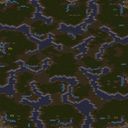
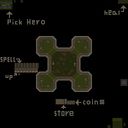
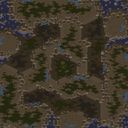
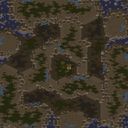
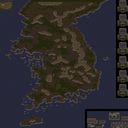
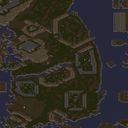
고대 문명의 부흥을 꿈꾸며 일곱 플레이어가 황무지 위에 펼쳐진 역사의 캔버스에 저마다의 깃발을 꽂는 외교형 전략 맵이다. 로마, 이스라엘, 그리스, 이집트, 갈리아, 게르만, 슬라브, 앵글로색슨, 카르타고, 트로이까지 열 가지 문명 중 하나를 선택해 진영을 꾸리는 순간, 단순한 유닛 생산을 넘어선 정치적 야망과 동맹의 셈법이 곧바로 숨통을 조이기 시작한다. 맵은 중앙의 자원 지대와 요충지를 둘러싼 확장 경로를 따라 자연스럽게 충돌을 유도하지만, 그 충돌의 방식은 전적으로 플레이어 간 대화와 신뢰에 기대도록 설계되어 있다. 기술 시스템은 각 문명에 어울리는 고유한 유닛과 특성으로 차별화를 주어, 단순히 병력의 양으로 승부를 보는 것이 아니라 문명이 지닌 전술적 색채를 어떻게 살리느냐에 초점을 맞춘다. 예컨대 한쪽이 강력한 중보병에 특화되었다면 다른 한쪽은 기동성 높은 기병이나 값싼 물량으로 맞서야 하는 비대칭 구도가 흥미를 돋운다. 여기에 외교 스타일의 진행은 이 모든 전력 차이를 순식간에 뒤엎을 수 있는 변수로 작용한다. 누군가가 배신을 결심하는 순간 전선은 일순간에 무너지며, 오랜 시간 쌓아온 우호 관계가 한 번의 클릭으로 산산조각나는 냉혹한 인간 드라마가 펼쳐진다. 초반에는 성장 속도와 자원 확보 경쟁이 치열하게 벌어지고, 중반 이후로는 본격적인 세력 구도가 형성되며 고요한 외교의 장막 뒤에서 서로의 약점을 찾는 눈치 싸움이 가속된다. 후반부에 접어들면 살아남은 세력 간의 결전이 불가피해지고, 이때까지 누적된 배신과 신뢰의 기록이 승패를 결정짓는 숨은 변수로 떠오른다. 이 맵은 단순히 유닛을 잘 다루는 실력보다 상대의 심리를 읽고 때로는 희생을 감수하며 장기적인 신뢰를 쌓는 플레이어에게 더 큰 보람을 선사한다. 친구들끼리 모여 서로의 정치적 감각을 시험할 때 진가를 발휘하며, 무작위 공개 방보다는 사전에 의사소통이 원활한 멤버로 구성된 자리에서 훨씬 깊은 재미를 맛볼 수 있다. 다만 문명 간 특성 차이가 커서 첫 플레이 전에 각 진영의 기술 트리와 유닛 구성을 간략히 숙지해둘 것을 권장한다. 외교에 익숙하지 않은 초보자에게는 초반의 침묵이 심리적 압박으로 다가올 수 있으니, 적극적으로 대화를 시도하며 판을 흔드는 용기가 필요하다. This is a diplomacy-driven strategy map where seven players plant their flags on a canvas of history laid over barren wasteland, dreaming of resurrecting ancient glory. The moment you choose your civilization from Rome, Israel, Greece, Egypt, Gaul, German, Slav, Anglo-Saxon, Carthage, or Troy, the game tightens its grip not merely through unit production but through political ambition and the intricate arithmetic of alliances. The map naturally channels conflict along expansion routes surrounding a central resource zone, yet every clash is designed to hinge on conversation and trust between players rather than on raw mechanics. The tech system differentiates each civilization with unique units and traits, shifting the focus away from sheer numbers and toward the tactical personality of your chosen culture. One side may specialize in heavy infantry while another counters with swift cavalry or cheap mass-produced troops, creating an asymmetric tension that compels constant adaptation. The diplomatic style of play transforms every power imbalance into a volatile variable that can reverse fortunes in an instant. A single decision to betray can collapse a front line that stood for an hour, shattering long-nurtured friendships into a cold drama of human calculation. The early game revolves around a feverish race for expansion speed and resource control, and once the mid-game settles in, the real contest shifts behind the veil of polite diplomacy where every player searches for hidden cracks in their rivals. As the late game approaches, the surviving factions are forced into an unavoidable final confrontation, and the record of every betrayal and kept promise becomes the invisible hand that tips the final balance. This map rewards those who can read their opponents’ intentions and patiently build lasting trust far more than it rewards pure mechanical skill. It reveals its true brilliance when played among friends eager to test each other’s political instincts, and it reaches a far deeper level of enjoyment in groups where communication flows smoothly from the start rather than in random public lobbies. Because the differences between civilizations run deep, briefly studying each faction’s tech tree and foundational unit composition before the first match is highly recommended. Beginners who are unaccustomed to diplomatic play may find the early silence psychologically heavy, but the courage to initiate conversation and stir the board is what turns that pressure into opportunity.

로그인 하시고 댓글을 남겨 볼까요?