
Collection de cartes StarCraft Allied
Nous avons rassemblé des cartes enregistrées avec le tag 'Allied'. Comparez les cartes populaires et récentes en vous concentrant sur les styles de jeu, les difficultés et les caractéristiques qui sont difficiles à trouver via un seul genre.
- Cartes enregistrées
- 2éléments
- Téléchargements cumulés
- 0
- Vues cumulées
- 73
Cartes populaires
C'est une carte avec un taux élevé de téléchargements et de consultations.
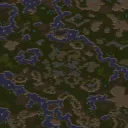
데빌스 플레이그라운드 (Devil's Playground)
《Devil's Playground》는 스타크래프트: 브루드워의 밀리 맵으로, 8명의 플레이어가 섬과 본토가 혼합된 독특한 공간에서 전략을 펼치는 UMS(_USER MAP SYSTEM_) 유즈맵이다. 맵의 핵심은 시작 지점의 절반이 섬으로 구성되어 있어 해상 병력과 공중 유닛의 운용이 필수적이라는 점이다. 섬에 위치한 플레이어는 본토와 연결된 지역보다 자원 확보와 방어에 더 많은 어려움을 겪게 되며, 반대로 본토에 위치한 플레이어는 섬 유저를 견제하거나 지원하는 전략을 구사해야 한다. 이 같은 구조는 전술적 다양성을 극대화하며, 초보자와 경험자 모두에게 흥미로운 플레이 경험을 제공한다. 섬과 본토의 경계는 단순히 지형적 차이를 넘어 전략적 의사결정을 강요한다. 예를 들어 섬 유저는 초반 해상 병력을 통해 본토를 공격하거나, 반대로 본토 유저는 공중 유닛과 해상 병력을 조합해 섬을 공격하는 등 다양한 전투 스타일을 구사할 수 있다. 또한 맵 중앙에는 넓은 평야가 펼쳐져 있어 대규모 병력 교전이 벌어질 가능성이 높다. 이런 지형적 특징은 맵의 긴장감을 높이며, 플레이어 간 커뮤니케이션과 협력이 중요해진다. 특히 섬 유저의 경우, 자원 확보가 한정적이므로 효율적인 자원 관리와 빠른 테크 업그레이드가 관건이다. 이 맵은 Allied(동맹) 진영 전용으로 설계되어 있으며, 기본적인 밀리 규칙을 따르지만 섬의 특성상 독특한 전략이 요구된다. 예를 들어 섬 유저는 초기에는 해상 유닛을 중심으로 방어선을 구축하거나, 반대로 빠른 진출을 통해 본토 유저를 압박할 수 있다. 반면 본토 유저는 섬 유저를 견제하기 위해 공중 유닛과 해상 병력을 조합한 다각적인 공격 루트를 마련해야 한다. 맵의 밸런스는 섬과 본토의 비율과 자원 분포에 따라 결정되며, 이는 플레이어의 전략적 선택에 따라 크게 달라질 수 있다. 《Devil's Playground》는 밀리 맵으로서의 기본 틀을 유지하면서도 섬과 본토의 이원적 구조를 통해 전략적 깊이를 더한 작품이다. 특히 섬 유저의 입장에서는 해상 병력의 중요성이 부각되며, 본토 유저는 섬을 겨냥한 다양한 전술적 접근이 가능하다는 점에서 플레이어의 창의성을 발휘할 수 있는 공간을 제공한다. 이 같은 독특한 구조는 맵을 반복 플레이할수록 새로운 전략적 가능성을 발견할 수 있게 해준다. 초보자의 경우 섬의 제한된 자원을 어떻게 활용할지, 경험자의 경우 섬과 본토의 균형을 어떻게 유지할지가 관전 포인트다. 이 맵은 특히 Allied 진영을 선호하는 플레이어들에게 인기가 있으며, UMS(USER MAP SYSTEM) 형식으로 제작되어 있어 다운로드 후 바로 플레이할 수 있다. 맵의 디자인과 밸런스는 섬과 본토의 상호작용을 통해 자연스럽게 구축되었으며, 이는 맵 제작자인 Dhavok의 섬세한 설계가 반영된 결과물이다. 플레이어는 맵의 특성을 충분히 숙지한 후 게임에 임한다면, 섬과 본토의 장단점을 극복하고 victory를 향해 나아갈 수 있을 것이다. Devil's Playground is a StarCraft: Brood War melee map designed as a UMS (User Map System) that challenges 8 players to strategize across a terrain split between islands and connected landmasses. Half of the starting positions are isolated on islands, forcing players to adapt their tactics by prioritizing naval and air units, while the other half on the mainland enjoys broader resource access and mobility. This duality creates a dynamic where island players must optimize early-game naval production or risk resource starvation, whereas mainland players can pressure islands with combined arms tactics. The map’s central plain serves as a high-traffic battlefield, encouraging large-scale engagements and alliances to control choke points. Island players face heightened vulnerability to early raids, making micro-management and quick expansions critical. In contrast, mainland players can leverage air superiority or fast drops to disrupt island economies. The asynchronous resource distribution ensures no single strategy dominates, rewarding adaptability over rigid builds. Tailored exclusively for Allied play, Devil's Playground adheres to standard melee rules but introduces a unique spatial dilemma: whether to fortify island perimeters or launch aggressive mainland campaigns. The map’s balance hinges on the interplay between isolation and connectivity, with island players forced to innovate (e.g., proxy dropships or floating expansions) and mainland players developing multi-pronged assaults. This creates a tension where every decision—from tech paths to unit compositions—must account for territorial asymmetry. Beyond its strategic depth, the map shines in replayability. The island-mainland divide ensures that no two games unfold identically, as players experiment with island defenses, mainland rushes, or even hybrid approaches like island-to-mainland transfers. The design’s strength lies in its simplicity—clear terrain cues guide novice players while offering depth for veterans to exploit meta-strategies. Ideal for Allied enthusiasts, Devil's Playground is a UMS-format map that emphasizes naval and air unit synergy. Its balanced yet asymmetric layout ensures long-term engagement, making it a staple for players seeking melee challenges that blend familiar mechanics with fresh territorial dynamics. Mastery demands not just mechanical skill but a keen understanding of the map’s spatial advantages and vulnerabilities.
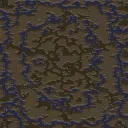
링워 리덕스 (Ringwar Redux)
스타크래프트 브루드워의Ringwar Redux는 링 모양의 독특한 지형을 자랑하는 6인용 UMS 맵으로, 중앙의 좁은 통로를 통해 적진으로 진출하는 ‘링’ 구조가 핵심 특징이다. 맵 이름은 ‘Ring around the rosey’라는 영어 구절에서 유래했는데, 이는 맵의 순환형 구조와 끊임없이 밀려오는 적의 공세를 ‘장미의 가시 같은 위험’에 비유한 것이다. 맵의 중앙 통로는 좁고 구불구불해 초보자들은 진입 자체에서 혼란을 겪기 쉽지만, 반대로 숙련자라면 이 좁은 통로를 활용해 적을 차단하거나 역공을 펼칠 수 있는 전략적 기회를 제공한다. Allied 진영을 기준으로 제작된 맵인 만큼 테란, 프로토스, 저그의 다양한 유닛 조합을 활용한 플레이가 가능하며, 특히 좁은 길목에서 벌어지는 전투는 마치 ‘입구막기’와 같은 감각으로 다가온다. 맵의 난이도는 중앙 진입 후의 확장과 방어 전략에 따라 크게 달라지는데, 초반에는 빠른 진출이 중요하지만 후반으로 갈수록 방어선을 구축하고 자원을 안정적으로 관리하는 능력이 요구된다. 맵의 이름에서 느껴지듯, 맵의 ‘링’ 구조는 단순히 지형적 특징을 넘어 전략의 핵심으로 기능하며, 플레이어는 이 구조를 어떻게 활용하느냐에 따라 승패가 좌우된다. 맵을 처음 플레이하는 경우, 중앙 통로의 지형을 미리 숙지하고 초반 진출 루트를 정하는 것이 중요하다. 또한, 좁은 길목에서는 Massen Sieged Tank나 High Templar의 Psionic Storm 같은 광역 기술이 powerful하기 때문에, 이를 활용한 방어 전술을 연습해두면 좋다. 맵의 분위기는 황무지 타일셋을 기반으로 한 어둡고 폐쇄적인 느낌을 주는데, 이는 맵의 긴장감을 한층 높이는 요소로 작용한다. Ringwar Redux는 Allied 진영 중심의 맵이지만, 멀티 태스킹과 자원 관리 능력을 키우기에도 적합한 구조로 평가된다. 이 맵의 가장 큰 매력은 바로 ‘지형에 의한 전략’이라는 점으로, 맵을 여러 번 플레이하며 통로의 패턴과 적의 움직임을 익힐수록 점차 재미와 깊이를 느낄 수 있는 구조다. 추천 대상은 좁은 길목에서의 전략적 전투를 즐기는 플레이어나 Allied 진영을 선호하는 유저, 그리고 UMS 맵의 특성을 이해하고 싶지만 아직 경험이 부족한 초보 유저들에게도 적합한 맵이다. 단, 좁은 통로에서 벌어지는 전투는 컨트롤과 판단력이 상당히 요구되므로, 실력이 부족한 상태에서 무리하게 플레이하면 쉽게 무너질 수 있으니 주의가 필요하다. 맵의 구조상 테란의 시즈 탱크나 프로토스의 캐리어 같은 유닛이 강력해질 수 있으니, 상대 진영에 따라 적절한 카운터 전략을 준비하는 것이 중요하다. Ringwar Redux is a six-player UMS map from *StarCraft: Brood War* featuring a distinctive ring-shaped terrain. Its core design revolves around a narrow central passage that serves as the primary route to the enemy base, earning its name from the English phrase "Ring around the rosey." This reflects both the map’s cyclical layout and the relentless waves of enemy attacks, likening the danger to the thorns of a rose. The central corridor is tight and winding, often causing confusion for beginners trying to navigate it. However, for experienced players, this narrow path becomes a strategic opportunity—allowing them to block enemies or launch counterattacks. Designed with the Allied faction in mind, the map supports diverse unit compositions for Terran, Protoss, and Zerg, with battles at the choke points feeling akin to "doorway defense." The difficulty of the map shifts dramatically based on expansion and defense strategies after securing the central entrance. Early game demands quick advances, while later stages require establishing defensive lines and stable resource management. The ring structure isn’t just a terrain feature; it’s the heart of the strategy, with victory often hinging on how players leverage it. For newcomers, mastering the central corridor’s layout and planning initial rush routes are crucial. Narrow passages amplify the effectiveness of area-of-effect abilities, like Siege Tanks or High Templar’s Psionic Storm, so practicing defensive tactics around these choke points is wise. The map’s aesthetic, built on a desolate tileset, enhances its oppressive and tense atmosphere. While centered on the Allied faction, Ringwar Redux also sharpens multitasking and resource management skills. Its greatest appeal lies in how terrain dictates strategy—players grow to appreciate its depth and enjoyment as they learn the passage patterns and enemy behaviors through repeated plays. Ideal for players who enjoy strategic combat in tight spaces, fans of the Allied faction, and beginners looking to grasp UMS map mechanics, the map demands precision and judgment in its confined battles. Without adequate skill, reckless play can lead to quick defeats. Given its structure, Terran Siege Tanks and Protoss Carriers can dominate, so preparing counter-strategies based on the opponent’s race is essential.
Cartes récemment ajoutées
Vérifiez les fichiers et versions récemment ajoutés.
데빌스 플레이그라운드 (Devil's Playground)
《Devil's Playground》는 스타크래프트: 브루드워의 밀리 맵으로, 8명의 플레이어가 섬과 본토가 혼합된 독특한 공간에서 전략을 펼치는 UMS(_USER MAP SYSTEM_) 유즈맵이다. 맵의 핵심은 시작 지점의 절반이 섬으로 구성되어 있어 해상 병력과 공중 유닛의 운용이 필수적이라는 점이다. 섬에 위치한 플레이어는 본토와 연결된 지역보다 자원 확보와 방어에 더 많은 어려움을 겪게 되며, 반대로 본토에 위치한 플레이어는 섬 유저를 견제하거나 지원하는 전략을 구사해야 한다. 이 같은 구조는 전술적 다양성을 극대화하며, 초보자와 경험자 모두에게 흥미로운 플레이 경험을 제공한다. 섬과 본토의 경계는 단순히 지형적 차이를 넘어 전략적 의사결정을 강요한다. 예를 들어 섬 유저는 초반 해상 병력을 통해 본토를 공격하거나, 반대로 본토 유저는 공중 유닛과 해상 병력을 조합해 섬을 공격하는 등 다양한 전투 스타일을 구사할 수 있다. 또한 맵 중앙에는 넓은 평야가 펼쳐져 있어 대규모 병력 교전이 벌어질 가능성이 높다. 이런 지형적 특징은 맵의 긴장감을 높이며, 플레이어 간 커뮤니케이션과 협력이 중요해진다. 특히 섬 유저의 경우, 자원 확보가 한정적이므로 효율적인 자원 관리와 빠른 테크 업그레이드가 관건이다. 이 맵은 Allied(동맹) 진영 전용으로 설계되어 있으며, 기본적인 밀리 규칙을 따르지만 섬의 특성상 독특한 전략이 요구된다. 예를 들어 섬 유저는 초기에는 해상 유닛을 중심으로 방어선을 구축하거나, 반대로 빠른 진출을 통해 본토 유저를 압박할 수 있다. 반면 본토 유저는 섬 유저를 견제하기 위해 공중 유닛과 해상 병력을 조합한 다각적인 공격 루트를 마련해야 한다. 맵의 밸런스는 섬과 본토의 비율과 자원 분포에 따라 결정되며, 이는 플레이어의 전략적 선택에 따라 크게 달라질 수 있다. 《Devil's Playground》는 밀리 맵으로서의 기본 틀을 유지하면서도 섬과 본토의 이원적 구조를 통해 전략적 깊이를 더한 작품이다. 특히 섬 유저의 입장에서는 해상 병력의 중요성이 부각되며, 본토 유저는 섬을 겨냥한 다양한 전술적 접근이 가능하다는 점에서 플레이어의 창의성을 발휘할 수 있는 공간을 제공한다. 이 같은 독특한 구조는 맵을 반복 플레이할수록 새로운 전략적 가능성을 발견할 수 있게 해준다. 초보자의 경우 섬의 제한된 자원을 어떻게 활용할지, 경험자의 경우 섬과 본토의 균형을 어떻게 유지할지가 관전 포인트다. 이 맵은 특히 Allied 진영을 선호하는 플레이어들에게 인기가 있으며, UMS(USER MAP SYSTEM) 형식으로 제작되어 있어 다운로드 후 바로 플레이할 수 있다. 맵의 디자인과 밸런스는 섬과 본토의 상호작용을 통해 자연스럽게 구축되었으며, 이는 맵 제작자인 Dhavok의 섬세한 설계가 반영된 결과물이다. 플레이어는 맵의 특성을 충분히 숙지한 후 게임에 임한다면, 섬과 본토의 장단점을 극복하고 victory를 향해 나아갈 수 있을 것이다. Devil's Playground is a StarCraft: Brood War melee map designed as a UMS (User Map System) that challenges 8 players to strategize across a terrain split between islands and connected landmasses. Half of the starting positions are isolated on islands, forcing players to adapt their tactics by prioritizing naval and air units, while the other half on the mainland enjoys broader resource access and mobility. This duality creates a dynamic where island players must optimize early-game naval production or risk resource starvation, whereas mainland players can pressure islands with combined arms tactics. The map’s central plain serves as a high-traffic battlefield, encouraging large-scale engagements and alliances to control choke points. Island players face heightened vulnerability to early raids, making micro-management and quick expansions critical. In contrast, mainland players can leverage air superiority or fast drops to disrupt island economies. The asynchronous resource distribution ensures no single strategy dominates, rewarding adaptability over rigid builds. Tailored exclusively for Allied play, Devil's Playground adheres to standard melee rules but introduces a unique spatial dilemma: whether to fortify island perimeters or launch aggressive mainland campaigns. The map’s balance hinges on the interplay between isolation and connectivity, with island players forced to innovate (e.g., proxy dropships or floating expansions) and mainland players developing multi-pronged assaults. This creates a tension where every decision—from tech paths to unit compositions—must account for territorial asymmetry. Beyond its strategic depth, the map shines in replayability. The island-mainland divide ensures that no two games unfold identically, as players experiment with island defenses, mainland rushes, or even hybrid approaches like island-to-mainland transfers. The design’s strength lies in its simplicity—clear terrain cues guide novice players while offering depth for veterans to exploit meta-strategies. Ideal for Allied enthusiasts, Devil's Playground is a UMS-format map that emphasizes naval and air unit synergy. Its balanced yet asymmetric layout ensures long-term engagement, making it a staple for players seeking melee challenges that blend familiar mechanics with fresh territorial dynamics. Mastery demands not just mechanical skill but a keen understanding of the map’s spatial advantages and vulnerabilities.
링워 리덕스 (Ringwar Redux)
스타크래프트 브루드워의Ringwar Redux는 링 모양의 독특한 지형을 자랑하는 6인용 UMS 맵으로, 중앙의 좁은 통로를 통해 적진으로 진출하는 ‘링’ 구조가 핵심 특징이다. 맵 이름은 ‘Ring around the rosey’라는 영어 구절에서 유래했는데, 이는 맵의 순환형 구조와 끊임없이 밀려오는 적의 공세를 ‘장미의 가시 같은 위험’에 비유한 것이다. 맵의 중앙 통로는 좁고 구불구불해 초보자들은 진입 자체에서 혼란을 겪기 쉽지만, 반대로 숙련자라면 이 좁은 통로를 활용해 적을 차단하거나 역공을 펼칠 수 있는 전략적 기회를 제공한다. Allied 진영을 기준으로 제작된 맵인 만큼 테란, 프로토스, 저그의 다양한 유닛 조합을 활용한 플레이가 가능하며, 특히 좁은 길목에서 벌어지는 전투는 마치 ‘입구막기’와 같은 감각으로 다가온다. 맵의 난이도는 중앙 진입 후의 확장과 방어 전략에 따라 크게 달라지는데, 초반에는 빠른 진출이 중요하지만 후반으로 갈수록 방어선을 구축하고 자원을 안정적으로 관리하는 능력이 요구된다. 맵의 이름에서 느껴지듯, 맵의 ‘링’ 구조는 단순히 지형적 특징을 넘어 전략의 핵심으로 기능하며, 플레이어는 이 구조를 어떻게 활용하느냐에 따라 승패가 좌우된다. 맵을 처음 플레이하는 경우, 중앙 통로의 지형을 미리 숙지하고 초반 진출 루트를 정하는 것이 중요하다. 또한, 좁은 길목에서는 Massen Sieged Tank나 High Templar의 Psionic Storm 같은 광역 기술이 powerful하기 때문에, 이를 활용한 방어 전술을 연습해두면 좋다. 맵의 분위기는 황무지 타일셋을 기반으로 한 어둡고 폐쇄적인 느낌을 주는데, 이는 맵의 긴장감을 한층 높이는 요소로 작용한다. Ringwar Redux는 Allied 진영 중심의 맵이지만, 멀티 태스킹과 자원 관리 능력을 키우기에도 적합한 구조로 평가된다. 이 맵의 가장 큰 매력은 바로 ‘지형에 의한 전략’이라는 점으로, 맵을 여러 번 플레이하며 통로의 패턴과 적의 움직임을 익힐수록 점차 재미와 깊이를 느낄 수 있는 구조다. 추천 대상은 좁은 길목에서의 전략적 전투를 즐기는 플레이어나 Allied 진영을 선호하는 유저, 그리고 UMS 맵의 특성을 이해하고 싶지만 아직 경험이 부족한 초보 유저들에게도 적합한 맵이다. 단, 좁은 통로에서 벌어지는 전투는 컨트롤과 판단력이 상당히 요구되므로, 실력이 부족한 상태에서 무리하게 플레이하면 쉽게 무너질 수 있으니 주의가 필요하다. 맵의 구조상 테란의 시즈 탱크나 프로토스의 캐리어 같은 유닛이 강력해질 수 있으니, 상대 진영에 따라 적절한 카운터 전략을 준비하는 것이 중요하다. Ringwar Redux is a six-player UMS map from *StarCraft: Brood War* featuring a distinctive ring-shaped terrain. Its core design revolves around a narrow central passage that serves as the primary route to the enemy base, earning its name from the English phrase "Ring around the rosey." This reflects both the map’s cyclical layout and the relentless waves of enemy attacks, likening the danger to the thorns of a rose. The central corridor is tight and winding, often causing confusion for beginners trying to navigate it. However, for experienced players, this narrow path becomes a strategic opportunity—allowing them to block enemies or launch counterattacks. Designed with the Allied faction in mind, the map supports diverse unit compositions for Terran, Protoss, and Zerg, with battles at the choke points feeling akin to "doorway defense." The difficulty of the map shifts dramatically based on expansion and defense strategies after securing the central entrance. Early game demands quick advances, while later stages require establishing defensive lines and stable resource management. The ring structure isn’t just a terrain feature; it’s the heart of the strategy, with victory often hinging on how players leverage it. For newcomers, mastering the central corridor’s layout and planning initial rush routes are crucial. Narrow passages amplify the effectiveness of area-of-effect abilities, like Siege Tanks or High Templar’s Psionic Storm, so practicing defensive tactics around these choke points is wise. The map’s aesthetic, built on a desolate tileset, enhances its oppressive and tense atmosphere. While centered on the Allied faction, Ringwar Redux also sharpens multitasking and resource management skills. Its greatest appeal lies in how terrain dictates strategy—players grow to appreciate its depth and enjoyment as they learn the passage patterns and enemy behaviors through repeated plays. Ideal for players who enjoy strategic combat in tight spaces, fans of the Allied faction, and beginners looking to grasp UMS map mechanics, the map demands precision and judgment in its confined battles. Without adequate skill, reckless play can lead to quick defeats. Given its structure, Terran Siege Tanks and Protoss Carriers can dominate, so preparing counter-strategies based on the opponent’s race is essential.
Guide de sélection de cartes
태그는 맵의 핵심 특징을 빠르게 설명하지만 제작 버전마다 규칙이 다를 수 있습니다. 상세 설명에서 권장 인원, 난이도, 플레이 시간과 버전을 함께 확인한 뒤 다운로드하세요.